
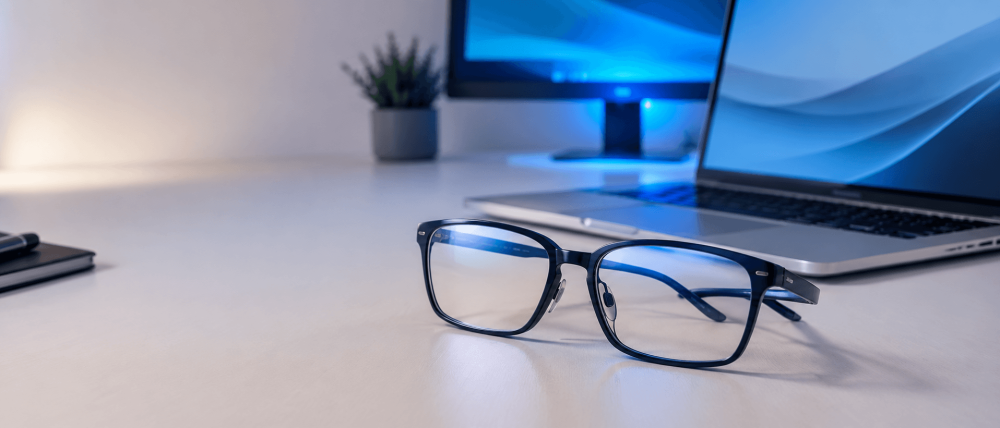
Using computers has become an essential part of daily life, whether for office work, studying, design, or gaming. With long hours spent in front of screens, some people may experience discomfort such as dry eyes, headaches, or temporary blurred vision. This is where computer protection lenses may help improve visual comfort for some users. However, their effectiveness depends on the type of lens and the nature of use, and they should not be considered a complete solution for all screen-related eye strain.
What Are Computer Protection Lenses?
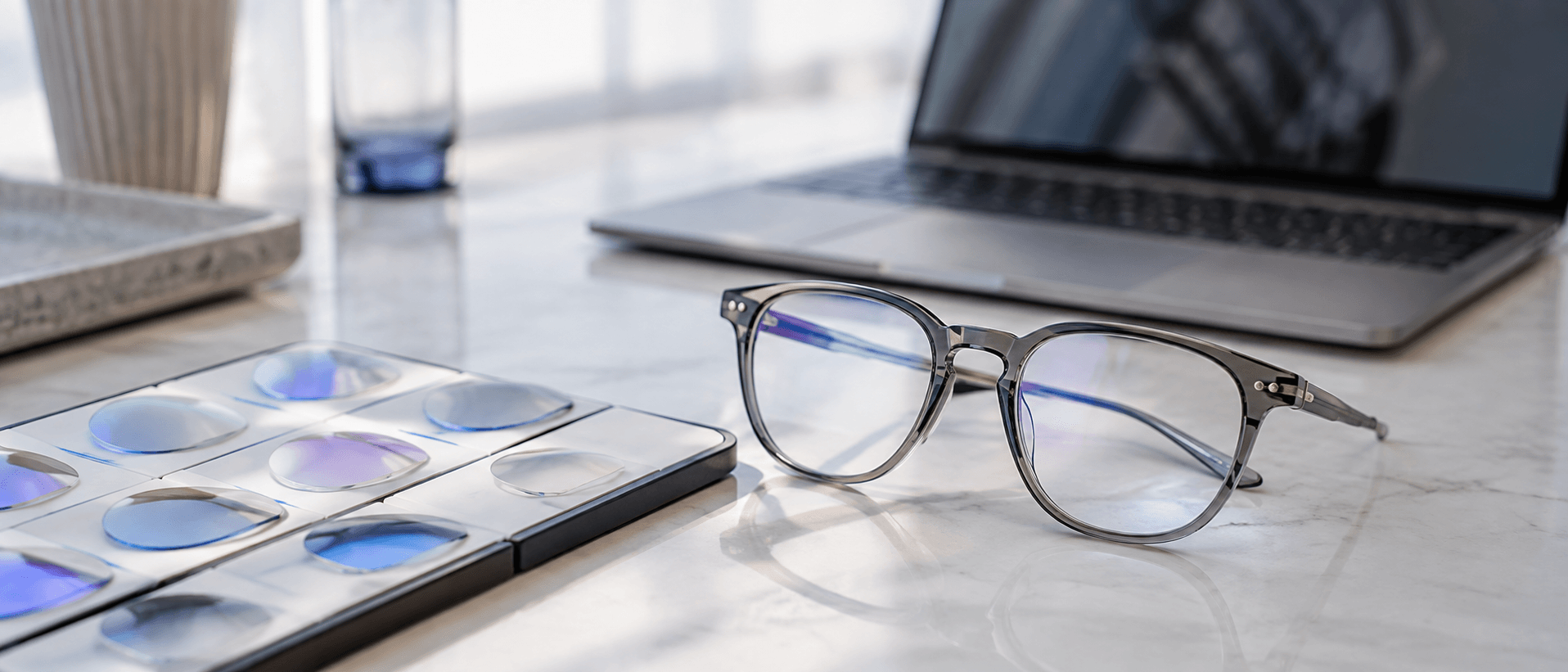
Computer protection lenses are eyeglass lenses designed to provide more comfortable vision while working in front of screens. They may include features such as anti-reflective coatings, optical designs suited for computer viewing distances, or filters that reduce certain wavelengths of blue light depending on the lens type.
Effects of Prolonged Screen Use on the Eyes
The phrase effects of screens on the eyes is commonly used, but the most frequent issue associated with extended screen use is digital eye strain rather than permanent eye damage.
Symptoms may include dryness or burning sensations, tired eyes, headaches, temporary difficulty focusing, or blurred vision after long hours of computer use.
These symptoms are often related to prolonged near-focus, reduced blinking while looking at screens, poor lighting, glare, or an uncorrected vision problem. For this reason, identifying and addressing the actual cause is more important than relying on one type of lens alone.
Realistic Benefits of Computer Lenses
One of the main potential benefits of computer lenses is improved comfort during prolonged screen use, especially when the lenses include a high-quality anti-reflective coating or are designed specifically for the user's working distance.
Reducing reflections can make vision clearer and minimize discomfort caused by surrounding lights or reflections from lamps and screens.
As for screen protection lenses with blue-light filters, some people may personally find them more comfortable. However, research has not established that they significantly reduce digital eye strain for everyone. Therefore, it is better to evaluate lenses based on actual visual comfort and optical quality rather than choosing them solely because they are marketed as “blue-light protection.”
Computer Protection Lenses Are Not a Substitute for Healthy Screen Habits
Even when using suitable lenses, the way you use your screen remains an important factor in maintaining eye comfort.
One of the most widely recommended habits is the 20-20-20 rule: every 20 minutes, look at something approximately 20 feet away for at least 20 seconds. This gives your eyes a short break from continuous near-focus throughout the working day.
It is also helpful to adjust screen brightness so that it matches the surrounding room lighting, reduce direct reflections, maintain a comfortable viewing distance, and position the screen at an appropriate height.
Remembering to blink regularly and taking frequent breaks can also help, especially when working in front of a computer for several hours.
How to Choose the Right Screen Protection Lenses
Start with the overall quality of the lens rather than focusing only on a specific technology or marketing term. Look for high-quality optical lenses with an effective anti-reflective coating, then consider whether you actually need a blue-light filter or lenses designed specifically for computer viewing distances.
If you already wear prescription glasses, or experience frequent headaches or persistent blurred vision, it is best to have your eyesight checked before choosing lenses. The issue may be related to your prescription or focusing ability rather than the screen itself. Your lenses should also match your daily screen time, type of work, and viewing distance. To learn more about the lens selection and preparation process, you can read our guide to custom prescription lenses.
At Okyali, computer lenses can be considered part of choosing the right eyewear for everyday use, alongside frame design, fit, comfort, and individual vision requirements, rather than simply being treated as an additional marketing feature.
Conclusion
Computer protection lenses can be a useful option for people who spend long hours in front of screens, particularly when choosing high-quality lenses with an effective anti-reflective coating and a design suited to the way they work.
However, the best approach is to combine suitable lenses with healthy screen habits, including regular breaks, proper lighting, and the appropriate viewing distance.